Schweizer Alpen Jungfrau-Aletsch
Die Massenbilanz – entscheidend für Vorstoss und Rückzug des Gletschers
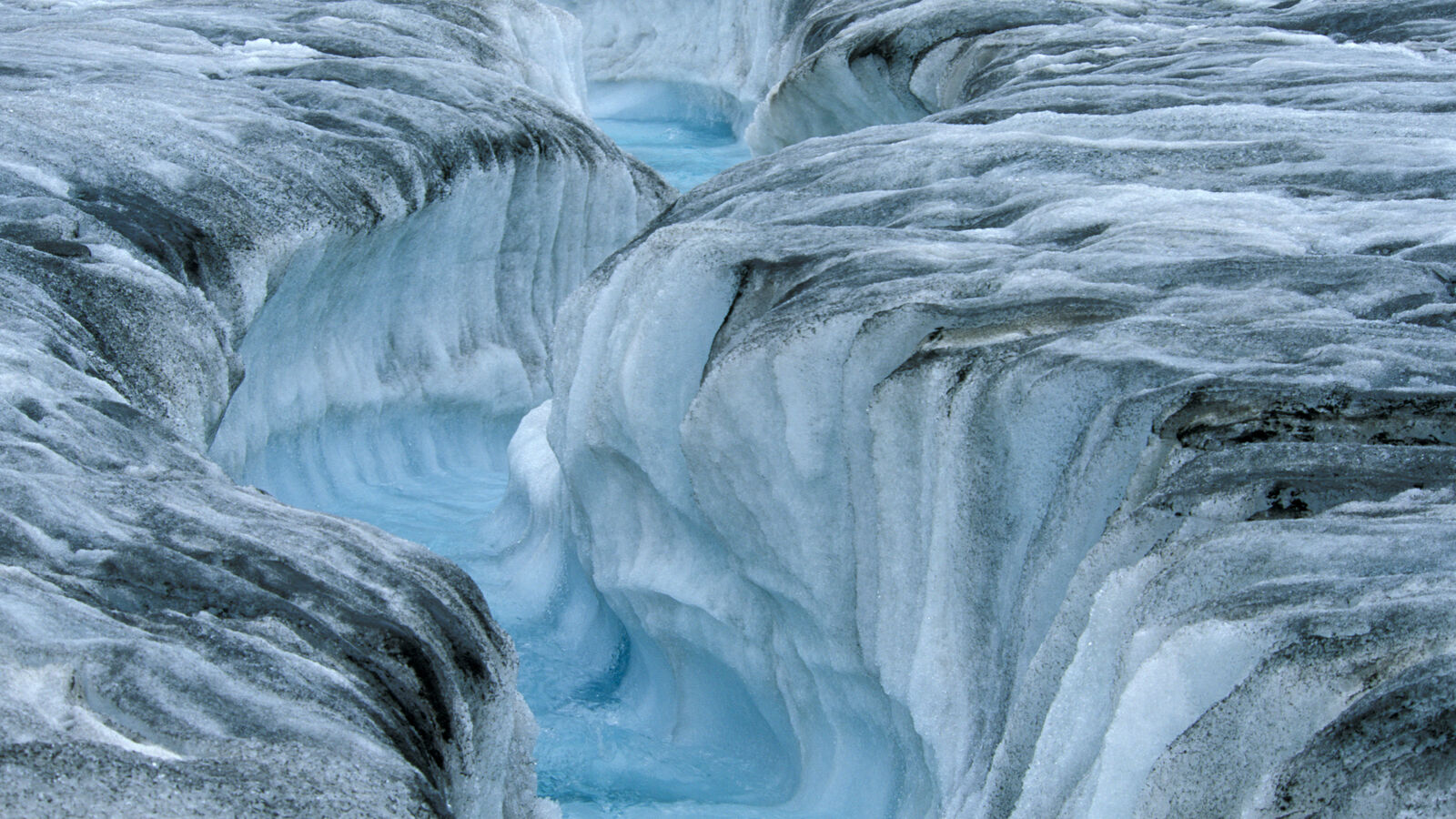
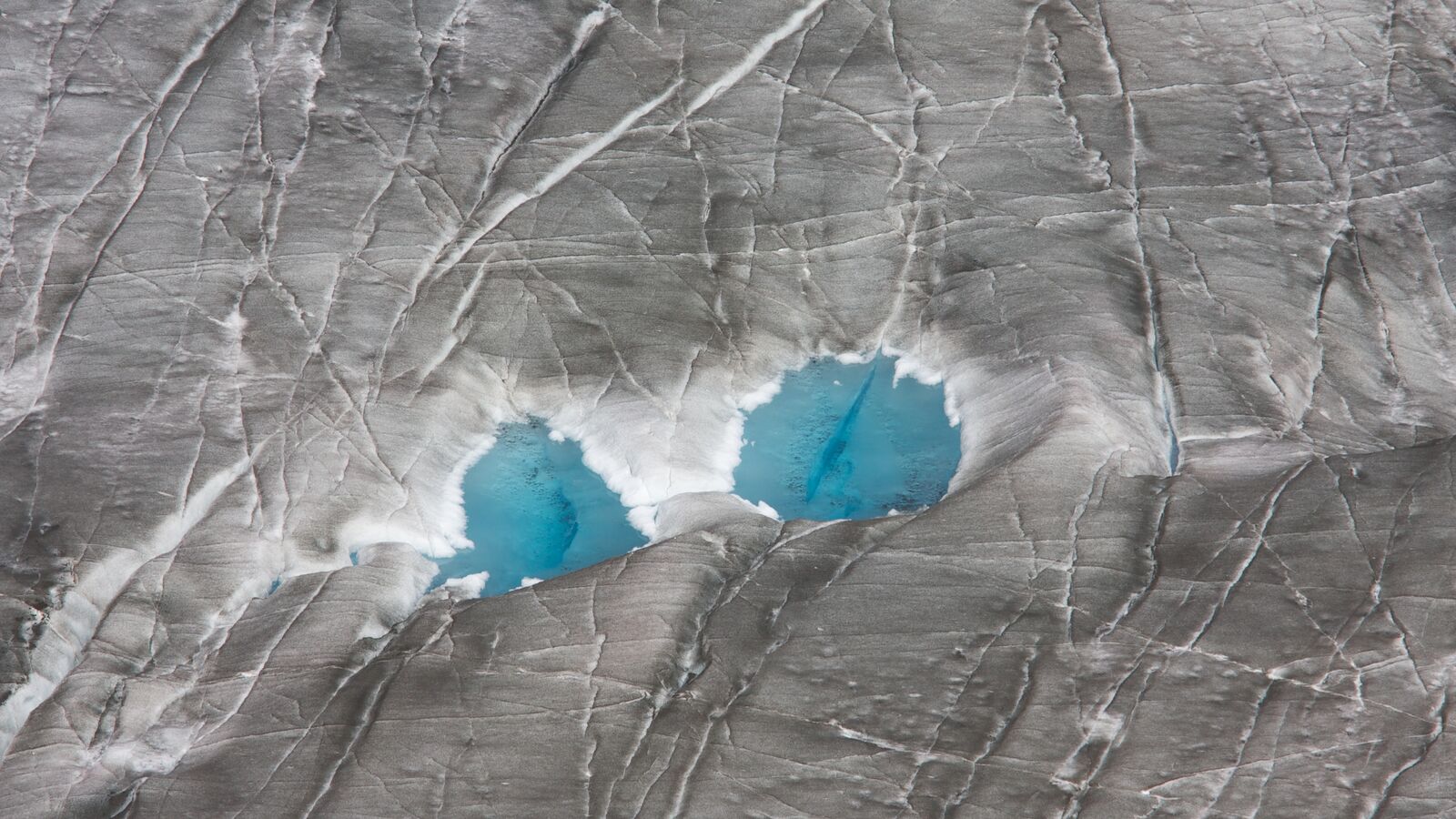
Gletscher sind sensible Klimazeiger und reagieren auf klimatische Schwankungen mit einer Änderung ihrer Masse. Entscheidend da- für sind die Mengen an niederfallendem Schnee und die Sommertemperaturen. Die Summe von Eiszuwachs im Nährgebiet und Eisschmelze im Zehrgebiet ergibt die jährliche Massenbilanz eines Gletschers.
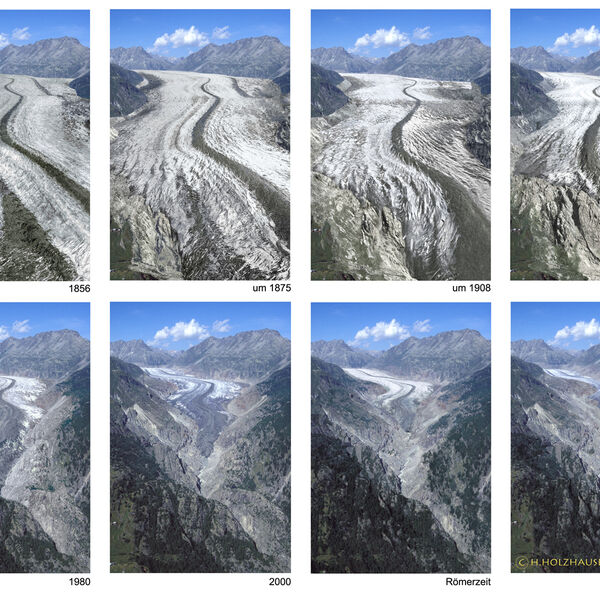
Fällt über mehrere Jahre hinweg infolge kühler Witterung viel Schnee, und schmilzt der Schnee erst spät im Frühjahr weg, so erhält die Gletscherzunge mehr Eis, als im Sommer und Herbst wegzuschmelzen vermag: Die Massenbilanz ist positiv, und der Gletscher stösst vor. Umgekehrt verliert der Gletscher in wärmeren Jahren mit wenig Schnee mehr Eis, als nachgeführt werden kann – die Massenbilanz ist negativ, und der Gletscher schwindet, wie das heute der Fall ist.
Ein Gletschervorstoss oder -rückzug tritt nach einer Massenänderung erst mit Verzögerung ein. Kleine Gletscher wie beispielsweise der Untere Grindelwaldgletscher reagieren nach nur wenigen Jahren auf veränderte Klimabedingungen. Grössere Gletscher hingegen wie der Grosse Aletschgletscher reagieren träge. Ihre Reaktionszeit auf längerfristige Klimaänderungen wurde auf 20 bis 30 Jahre berechnet.
Schweizer Alpen Jungfrau-Aletsch
Schweizer Alpen Jungfrau-Aletsch
Schweizer Alpen Jungfrau-Aletsch
Schweizer Alpen Jungfrau-Aletsch

Rhätische Bahn in der Landschaft Albula/Bernina
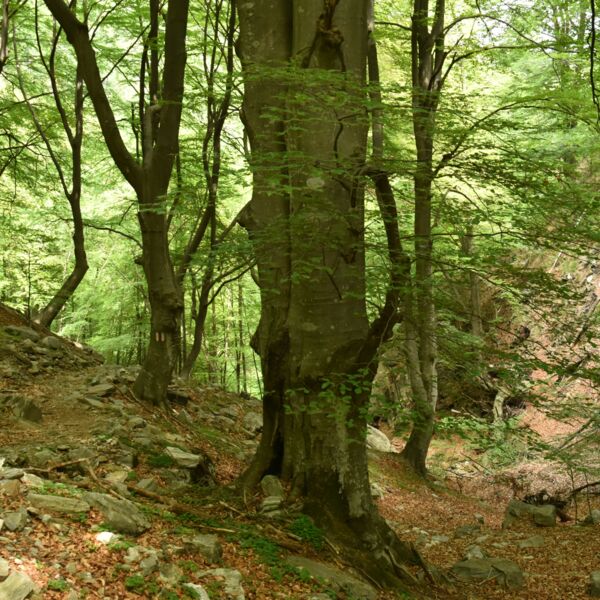
Alte Buchenwälder Europas