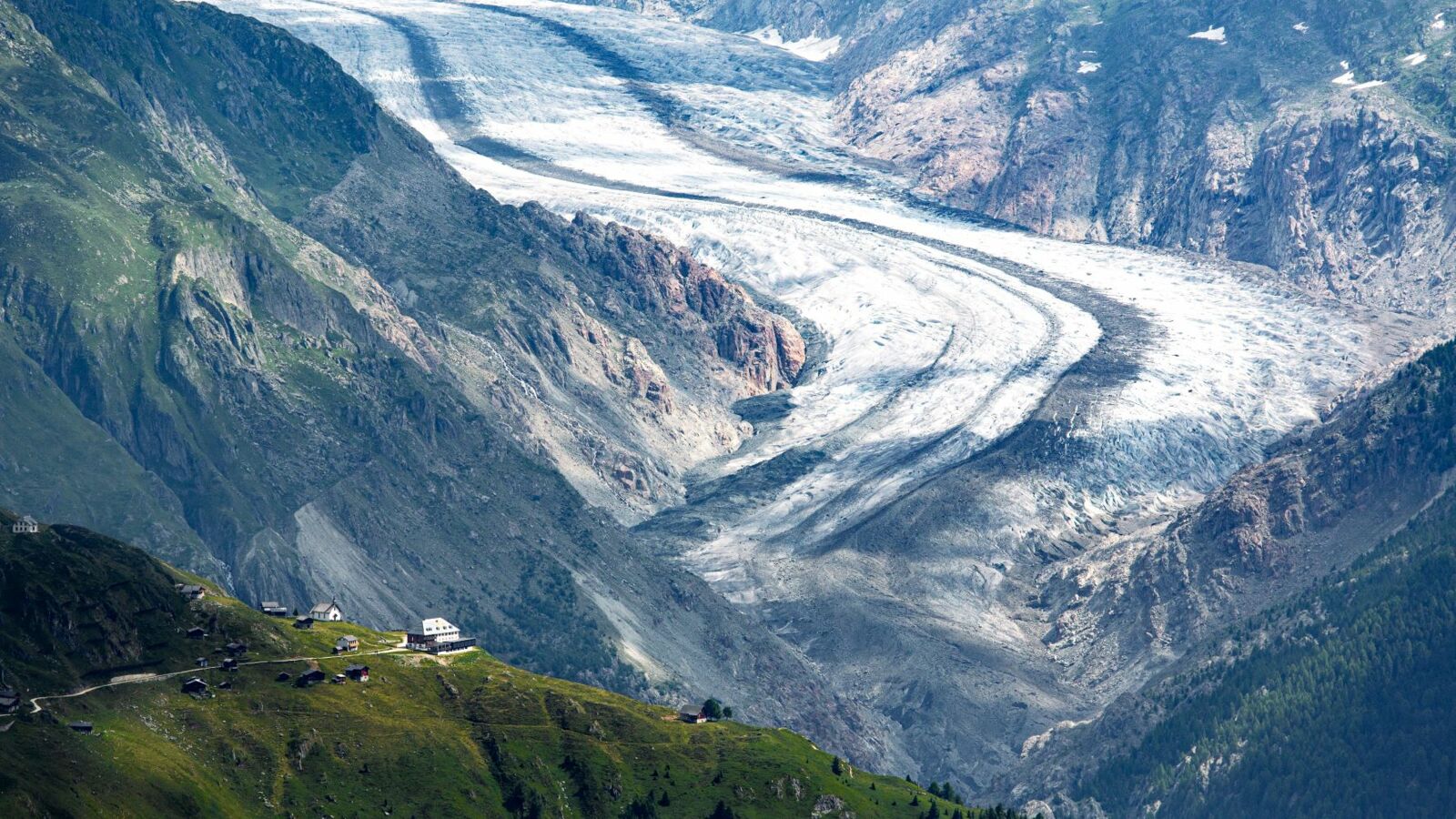
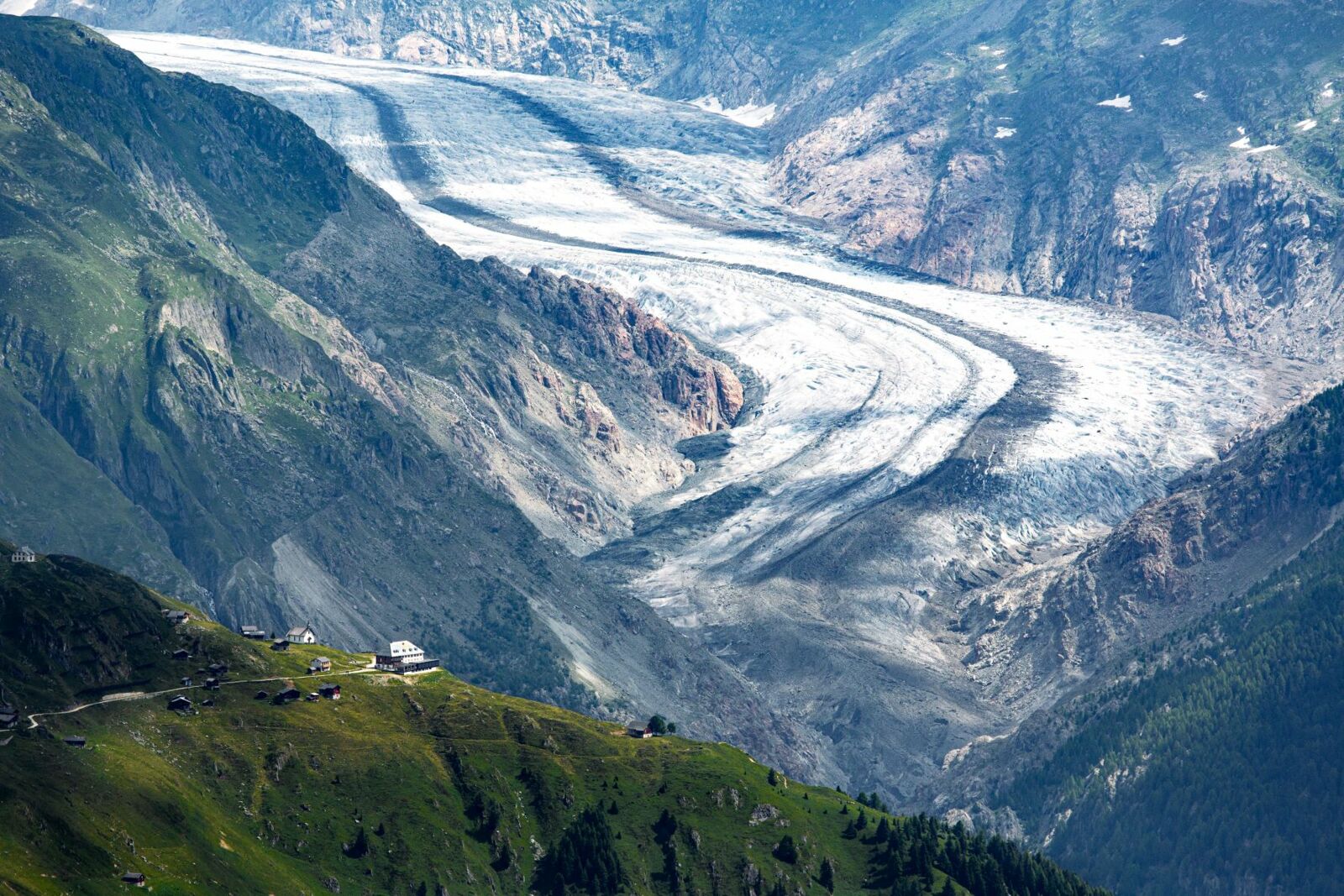
Schweizer Alpen Jungfrau-Aletsch
Kriterien für die Einschreibung der "Schweizer Alpen Jungfrau-Aletsch"
Um in die UNESCO Welterbeliste aufgenommen zu werden, müssen UNESCO-Welterbestätten von aussergewöhnlichem universellem Wert sein und mindestens eines von zehn Auswahlkriterien erfüllen. Die Schweizer Alpen Jungfrau-Aletsch erfüllen die Kriterien VII, VIII und IX für die Aufnahme.
Kriterium (vii): Die beeindruckende Landschaft des Gebietes hat in der europäischen Kunst, Literatur, im Bergsteigen und im alpinen Tourismus eine wichtige Rolle gespielt. Das Gebiet ist weltweit als eine der spektakulärsten Bergregionen anerkannt und seine Ästhetik hat eine internationale Anhängerschaft angezogen. Die beeindruckende Nordwand der Hochalpen mit den Gipfeln Eiger, Mönch und Jungfrau ist ein landschaftlicher Höhepunkt, der auf der Südseite des Alpenhauptkammes durch spektakuläre Gipfel und ein Talsystem mit den beiden längsten Gletschern Westeurasiens ergänzt wird.
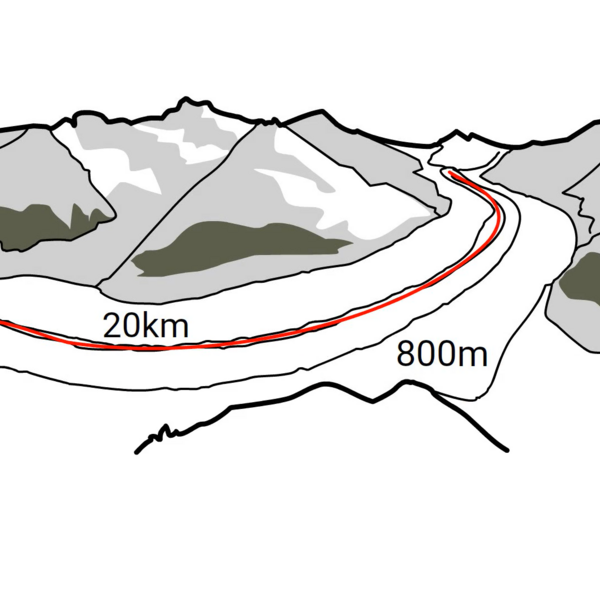
Kriterium (viii): Das Gebiet ist ein herausragendes Beispiel für die Entstehung der Hochalpen durch Hebung und Verdichtung, die vor 20-40 Millionen Jahren begann. In einem Höhenspektrum von 809 m bis 4 274 m zeigt die Region 400 Millionen Jahre alte kristalline Gesteine, die durch die Nordwärtsdrift der afrikanischen tektonischen Platte über jüngere Karbonatgesteine geschoben wurden. Zu den beeindruckenden Zeugnissen der Gebirgsbildung kommt eine grosse Fülle und Vielfalt an geomorphologischen Merkmalen wie U-förmige Gletschertäler, Kare, Gipfel, Talgletscher und Moränen. In diesem am stärksten vergletscherten Teil der Alpen befindet sich der Aletschgletscher, der größte und längste Gletscher Europas, der im Zusammenhang mit der Gletschergeschichte und den laufenden Prozessen, insbesondere im Zusammenhang mit dem Klimawandel, von grossem wissenschaftlichen Interesse ist.
Kriterium (ix): Innerhalb seiner Höhenlage und seiner trockenen Süd- und feuchten Nordexposition bietet das Gebiet ein breites Spektrum an alpinen und subalpinen Lebensräumen. Auf den beiden wichtigsten Substraten, dem kristallinen und dem karbonatischen Gestein, hat sich eine Vielzahl von Ökosystemen ohne nennenswerte menschliche Eingriffe entwickelt. Es gibt hervorragende Beispiele für die Pflanzensukzession, darunter die charakteristische obere und untere Baumgrenze des Aletschwaldes. Das globale Phänomen des Klimawandels ist in der Region besonders gut zu beobachten, was sich in den unterschiedlichen Rückzugsgeschwindigkeiten der verschiedenen Gletscher widerspiegelt, die neue Lebensräume für die Ansiedlung von Pflanzen bieten.
Weitere Informationen findest du unter whc.unseco.org
Schweizer Alpen Jungfrau-Aletsch
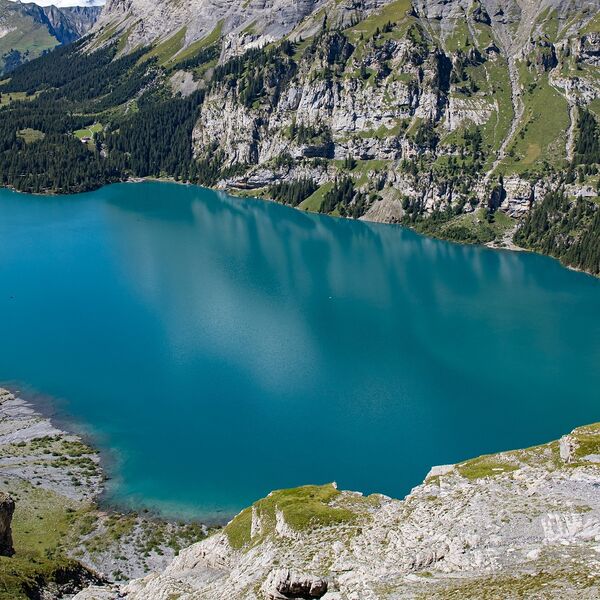
Schweizer Alpen Jungfrau-Aletsch
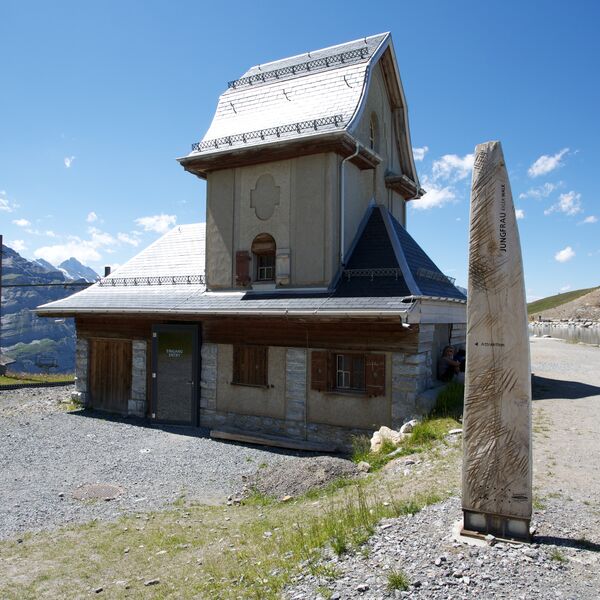
Schweizer Alpen Jungfrau-Aletsch
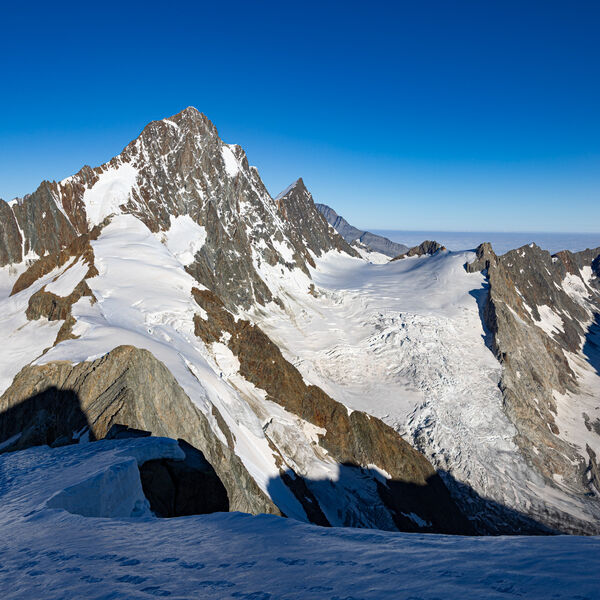
Schweizer Alpen Jungfrau-Aletsch
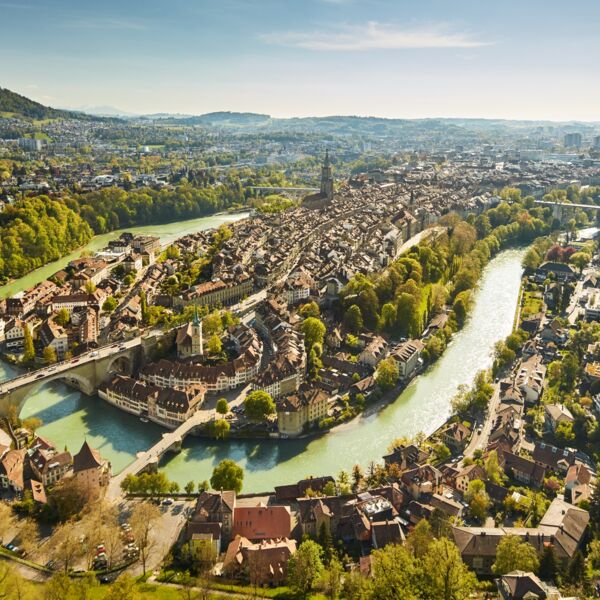
Altstadt von Bern
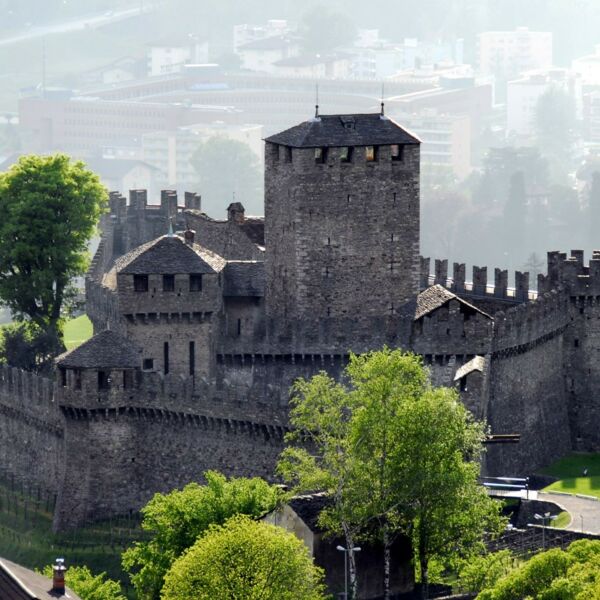
Festung von Bellinzona