

Rhätische Bahn in der Landschaft Albula/Bernina
Ospizio Bernina
Höchster Punkt der UNESCO-Welterbe Strecke der Rhätischen Bahn auf 2053 m. ü. m. Die Gebäude am Bernina zeugen von der Pionierzeit des Bahnbaus und dem Aufwand, den es bedeutete und noch immer bedeutet eine Eisenbahn im hochalpinen Gebiet zu betreiben.
«Die Berninabahn macht ein ausgedehntes Touristengebiet von hervorragend landschaftlicher Bedeutung zugänglicher, das schon beim beschwerlichen Post- und Fuhrwerkverkehr auf den langen zulaufenden Tal- und Alpenstrassen und auf der im Jahre 1865 vollendeten Berninastrasse seit Jahren einen sehr regen Reisenden- und Touristenverkehr in immer steigendem Masse anzulocken und zu fesseln vermochte», schrieb 1912 ein Ingenieur rückblickend auf den Bau der Berninalinie.
Und der neue Bau gefiel. Die grossen Bauten entlang der Linie entstanden allerdings erst später. Das Stationsgebäude und Berggasthaus Bernina-Hospiz, entstand erst durch den Ausbau eines Vorgängergebäudes um 1925. Der Architekt Nicolaus Hartmann jun. hatte hier, auf einer Höhe von 2253 Meter über Meer, ein Steingebäude geplant, das etwa mit dem dreieckigen Giebelfeld neuklassizistische Formen aufgreift, durch die Ausführung in Bruchstein aber doch dem Ort, dem kargen und majestätisch zugleich erscheinenden Berninapass verpflichtet scheint. Nicolaus Hartmann jun. plante auch die gedeckte Drehscheibe, an welche die Umformerstation von 1910 und das Wohnhaus von 1912 anschliesst.
Gleich wie Alp Grüm ist Bernina Ospizio ein guter Ausgangspunkt für verschiedene Wanderungen oder Bike-Abenteuer.
Verwaltung
Bahnhofstrasse 25
7001 Chur
-
Fahrplan
Anreisebis Ospizio Bernina

Rhätische Bahn in der Landschaft Albula/Bernina

Rhätische Bahn in der Landschaft Albula/Bernina

Rhätische Bahn in der Landschaft Albula/Bernina

Rhätische Bahn in der Landschaft Albula/Bernina
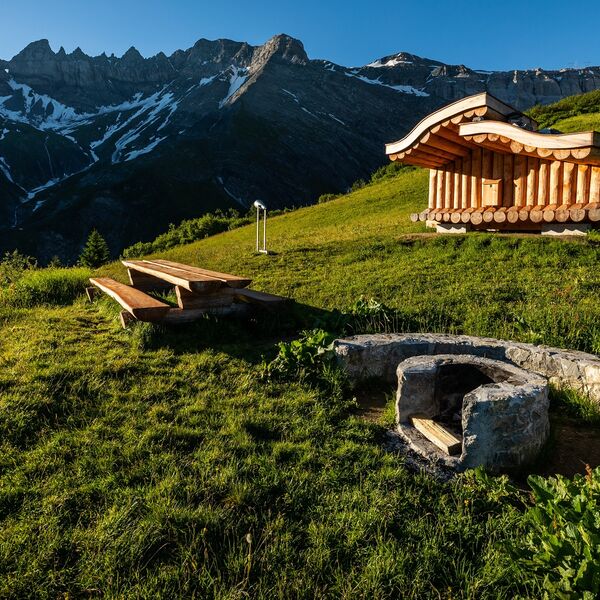
Tektonikarena Sardona
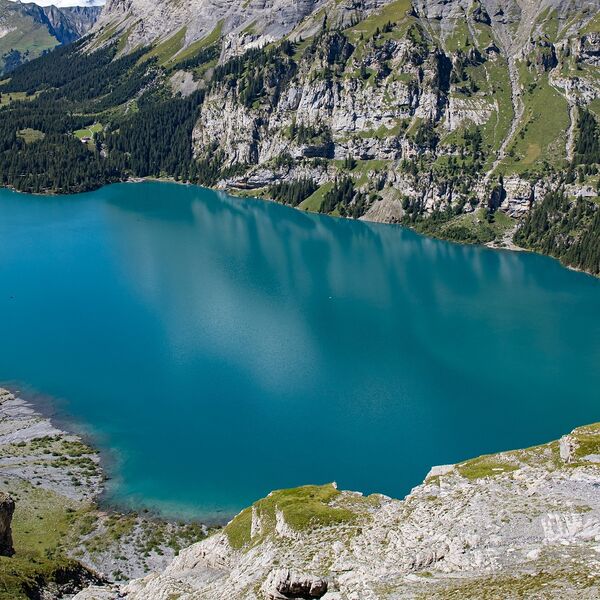
Schweizer Alpen Jungfrau-Aletsch