


World Heritage
At the heart of the World Heritage Convention is the protection of natural and cultural properties that, because of their outstanding universal value, are of importance to humanity as a whole – today and for generations to come.
UNESCO has set itself the task of preserving those natural and cultural properties of the world that are of outstanding universal value. The international Convention of 16 November 1972 "Concerning the Protection of the World Cultural and Natural Heritage", the World Heritage Convention for short, is the most important international tool created by the community of nations to protect its cultural and natural heritage.
UNESCO's list of World Heritage properties comprises 1248 properties in 170 countries, of which 972 are cultural properties and 235 are natural properties (August 2026). A further 41 sites on the UNESCO World Heritage List count as both cultural and natural heritage. There are also a number of cross-border World Heritage properties, such as the Monte San Giorgio, a site shared between Switzerland and Italy.
Outstanding Universal Value
But when is a site considered to have Outstanding Universal Value? To be inscribed on the World Heritage List, a site must meet at least one of the ten criteria. For cultural heritage properties, these include outstanding achievements of human creative genius, important testimonies to past cultures, and exceptional examples of architecture, groups of buildings or human interaction with the environment. For natural heritage properties, they include, for example, exceptional natural phenomena or areas of exceptional natural beauty, significant geological processes, or biological diversity.
World Heritage sites must also meet certain requirements regarding authenticity and integrity and have appropriate protection and management measures in place. Inscription on the World Heritage List follows an international evaluation process: States Parties submit sites for nomination, international advisory bodies such as ICOMOS and IUCN evaluate the nominations, and the UNESCO World Heritage Committee makes the final decision on inscription.
Cultural Heritage
Cultural Heritage properties currently on the World Heritage List include buildings of historic importance, town centres, archaeological sites, monuments to engineering history, industrial monuments and important memorial sites from human history.
Cultural World Heritage properties in Switzerland:
- Old City of Berne
- Benedictine Convent St. John in Müstair
- Abbey of St. Gall
- Three Castles, Defensive Wall and Ramparts of the Market-Town of Bellinzona
- Lavaux, Vineyard Terraces
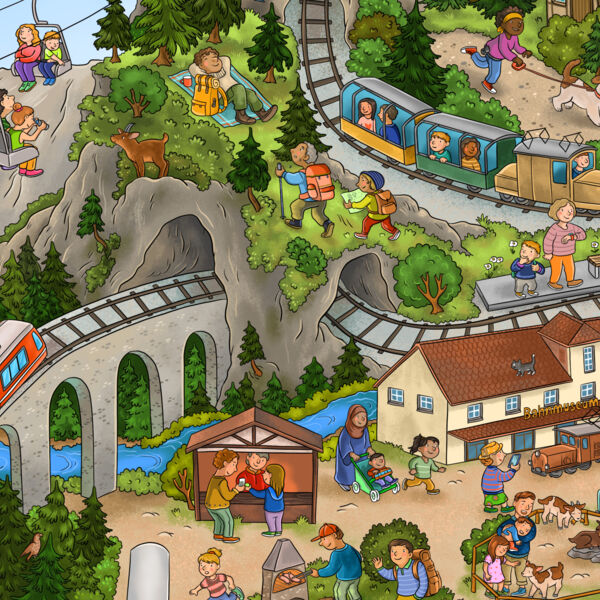
- Rhaetian Railway in the Albula/Bernina Landscapes
- La Chaux-de-Fonds / Le Locle, Watchmaking Town Planning
- Prehistoric Pile Dwellings around the Alps
- The Architectural Work of Le Corbusier, an Outstanding Contribution to the Modern Movement
Natural Heritage
Natural Heritage includes important ecosystems, sites bearing witness to evolutionary history, natural paradises and conservation areas for plants and animals threatened with extinction.
Natural World Heritage properties in Switzerland:
- Swiss Alps Jungfrau-Aletsch
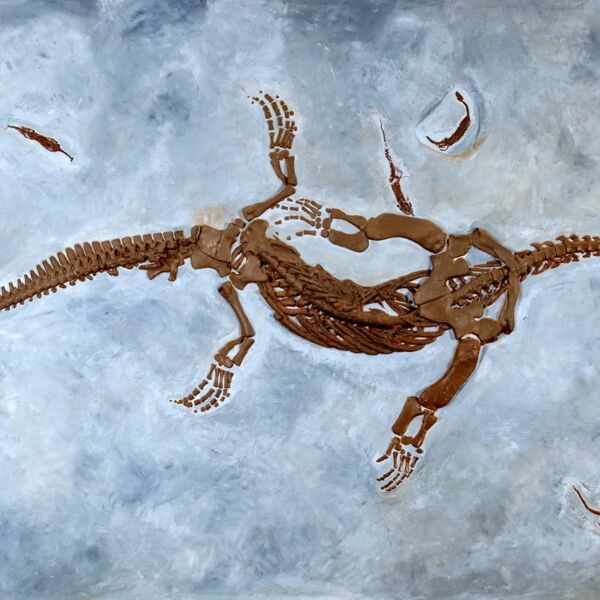
- Monte San Giorgio
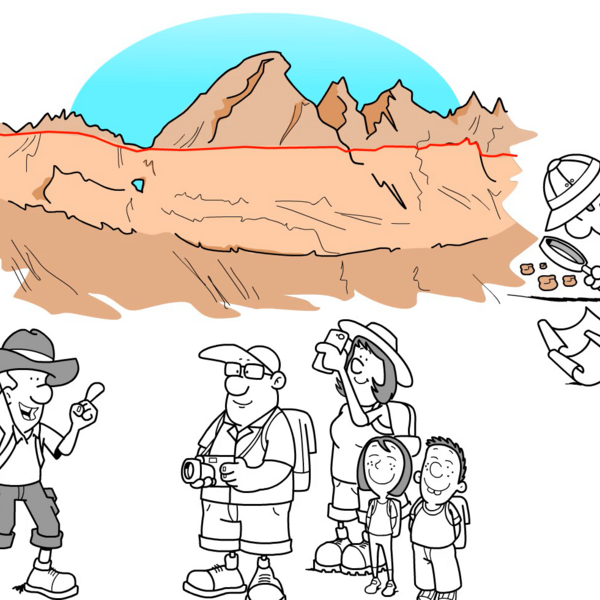
- Swiss Tectonic Arena Sardona
- Ancient and Primeval Beech Forests of the Carpathians and Other Regions of Europe
Serial properties
A serial candidature is a nomination encompassing two or more non-adjacent areas. A single World Heritage candidature can consist of a series of cultural and/or natural objects in different geographical regions that belong to (i) the same historical or cultural group, (ii) the same type of object typical of a geographical zone; or (iii) the same geological or geomorphological formation, the same bio-geographical region or the same ecosystem. This category includes, among others, the "Prehistoric pile dwellings around the Alps".
Serial World Heritage properties in Switzerland:



Other elements
Tectonic Arena Sardona